Introduction
In the world of construction and project management, understanding the nuances of bonding and surety companies is paramount. These entities play a critical role in ensuring that projects are completed as planned, safeguarding financial interests and ensuring compliance with various regulations. Yet, effective communication with surety companies can often be a daunting task for contractors and project managers alike. This article explores essential strategies and techniques on how to effectively communicate with surety companies, delving into best practices, common pitfalls, and providing insights that can lead to successful partnerships.
Understanding Surety Bonds
What Are Surety Bonds?
Surety bonds are contractual agreements that provide a guarantee that specific obligations will be fulfilled. In construction, they serve as a safety net for project owners against contractor defaults. The bond typically involves three parties: the principal (the contractor), the obligee (the project owner), and the surety company.
Types of Surety Bonds in Construction
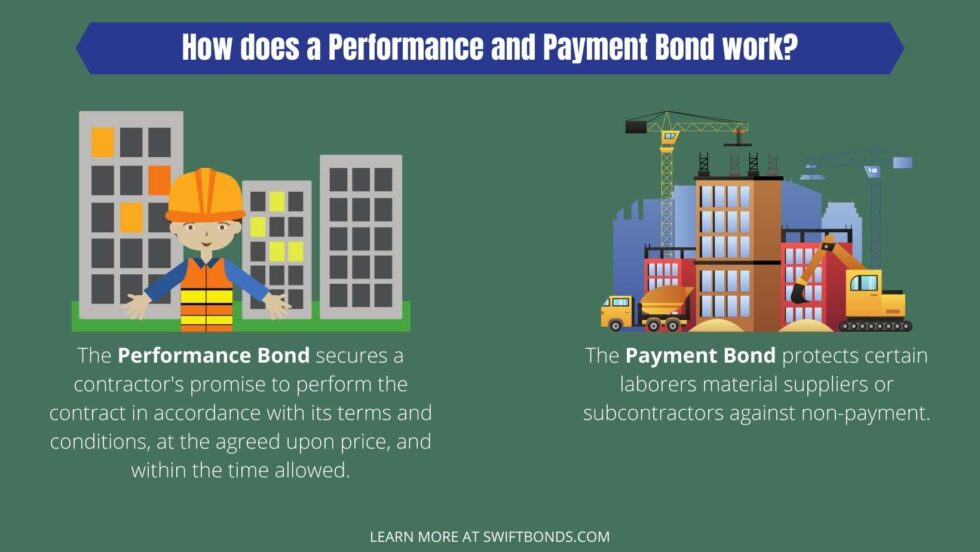
Bid Bonds: Guarantee that a contractor will honor their bid. Performance Bonds: Ensure that the contractor completes the project as per the contract terms. Payment Bonds: Guarantee payment to subcontractors and suppliers.Why Communication is Vital in Bonding
Effective communication fosters transparency and trust between all parties involved. When contractors clearly articulate their needs and expectations, it results in smoother transactions and reduces misunderstandings related to construction bonding requirements.
Key Elements of Effective Communication
Clarity Is Crucial
When discussing bonding requirements or project details with surety companies, clarity is key. Use straightforward language devoid of jargon when possible.
Active Listening Skills
Engaging in active listening allows you to fully comprehend what the surety representatives are conveying, making it easier to respond appropriately.
Building Rapport
Establishing a good rapport with surety professionals can significantly ease communication barriers. A friendly yet professional relationship encourages open dialogue.
Preparation Before Engaging with Surety Companies
Researching Surety Companies
Before initiating discussions, familiarize yourself with various surety companies’ specialties, reputation, and client reviews. Understanding their background can help tailor your approach effectively.
Gathering Required Documentation
Ensure you have all necessary documentation ready before reaching out—this may include financial statements, credit history, and project plans relevant to your bonding needs.
How to Effectively Communicate with Surety Companies
To establish effective communication channels:
Be concise—provide necessary information without overloading them. Use visuals—charts or graphs can help illustrate complex points. Follow up after meetings or calls—reiterate key points discussed for clarity.Common Communication Pitfalls to Avoid
Overcomplicating Conversations
Avoid using overly technical language or jargon unless absolutely necessary; this can create confusion rather than clarity.
Neglecting Non-Verbal Cues
Communication isn’t just verbal; pay attention to body language during face-to-face interactions or tone during phone calls.
The Role of Technology in Facilitating Communication
Using Digital Tools
Modern technology offers tools like project management software that can streamline communication between contractors and sureties by allowing real-time updates on projects.
Email vs Phone Calls
Understand when it's appropriate to use email versus phone calls; some issues may be better suited for direct conversation while others can be efficiently handled via email.
Ensuring Compliance with Construction Bonding Requirements
Understanding Specific Requirements
Each project may have unique bonding requirements set by local laws or regulations; ensure you're well-versed in these specifics before communicating them to your surety company.
Documentation for Compliance
Have all relevant documentation available that showcases compliance with bonding requirements—this includes licenses, insurance certificates, and safety records.
Building Long-Term Relationships with Surety Companies
Regular Updates on Project Progress
Keep the surety informed about ongoing projects through regular updates—even if there’s no immediate concern—this builds trust over time.
Feedback Loop
Encourage feedback from your sureties regarding communications—this helps improve future interactions significantly.
FAQ Section
Q1: What should I do if my bond application gets declined?
A1: Analyze the reasons provided for rejection carefully and address those issues before reapplying—for example, improving your credit score or providing better financial documentation can help strengthen your application next time around.
Q2: How does a performance bond work?
A2: A performance bond guarantees that a contractor will complete their work according to contract specifications; if they fail to do so, the surety will cover costs up until a specified amount outlined in the bond agreement.
Q3: Can I negotiate bond rates?
A3: Yes! Depending on your company's financial health and relationship with the surety company, there might be room for negotiation regarding bond rates or terms.
Q4: What happens if I default on my contract?
A4: If you default on your contract obligations, the surety company will step in to fulfill those obligations but may seek reimbursement from you later on for any amounts they paid out.
Q5: How often should I communicate with my surety company?
A5: Regular communication is advisable—monthly check-ins are good practice during active projects while annual reviews may suffice during downtime periods between larger contracts.
Q6: What impact does my financial history have on obtaining bonds?
A6: Your financial history plays a significant role—it reflects your reliability as a contractor which directly affects both approval chances for bonds as well as premium rates offered by insurers!
Conclusion
Navigating relationships within construction requires not only technical skills but also exceptional communication abilities—especially when dealing with entities like surety companies. By honing these skills through preparation, active listening techniques, consistent follow-ups post-meetings—and avoiding common pitfalls—you’ll set yourself up for success not just Click here for more info today but throughout your career in construction management! Remember that establishing long-term relationships built on trust leads not only to better dealings but opens doors down the line too! Thus mastering how to effectively communicate with surety companies isn't merely beneficial; it’s essential!