Regulators and consumer advocates often talk about trust gaps in auto retail, but those conversations rarely connect the legal tool that underpins much of that trust: the motor vehicle dealer bond. At heart, a dealer bond is not a license tax or a bureaucratic formality. It is a financial guarantee that a dealer will follow laws around titling, odometer accuracy, taxes, fees, and fair dealing. When things go wrong, the bond stands as a measurable, enforceable backstop for consumers and the state.
Over the past decade I have watched two curves move in concert. When complaint categories spike at the attorney general or motor vehicle agency, surety underwriters tighten terms and increase claims reserves. When regulators sharpen enforcement around a problem area, complaint counts dip, and bond pricing stabilizes. Dealers feel those shifts in premiums, collateral requirements, and underwriting scrutiny. Consumers feel them in how quickly claims are paid and how confident they are buying a used car from a lot down the road.
This piece connects those dots. It explains how dealer bonds function, what complaint trends actually show, and where the pressure points sit for both compliance and consumer protection. It also translates policy changes into practical steps that cut risk and expense for dealerships while raising the odds that customers leave satisfied.
Why states require dealer bonds
Most states require a motor vehicle dealer bond as a condition of licensure. The amounts vary widely. A small wholesale dealer in the Midwest might post a 25,000 dollar bond, while a metropolitan retail dealer in a high-fraud state may need 75,000 dollars or more. Some specialty categories, such as RV dealers or rebuilders, carry their own requirements. A few jurisdictions allow a cash deposit or letter of credit in lieu of a bond, but the bond remains the default tool because it spreads risk and adds an experienced claims handler between disputes and payouts.
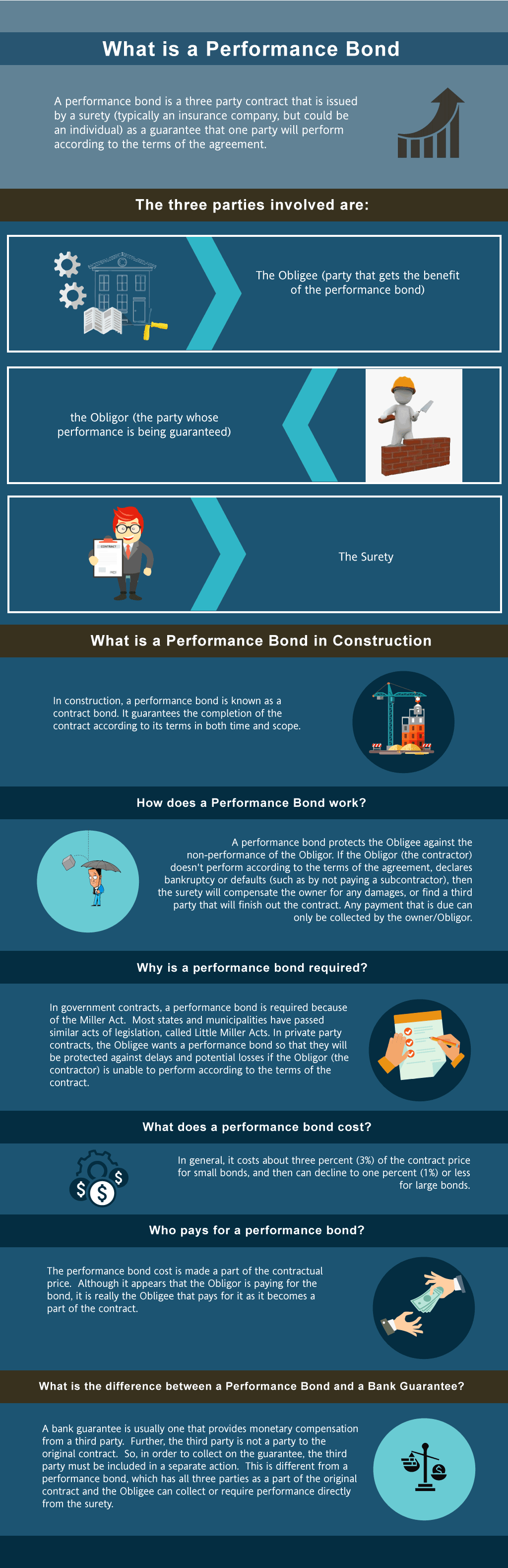
The bond is a three-party instrument. The dealer is the principal, the state and consumers are the beneficiaries, and the surety company backs the dealer’s promise. If the dealer violates statutes or rules, and that violation causes a financial loss to a consumer or the state, a claim can be filed against the bond. The surety investigates and, if warranted, pays up to the penal sum of the bond. The dealer must reimburse the surety for valid payouts and costs. That reimbursement obligation matters. It aligns incentives, because a bond is not insurance in the classic sense; it is a credit extension made on the assumption that the dealer operates lawfully.
What the bond does and does not cover
Bonds are targeted, not blanket guarantees. Each state’s bond form lists covered conduct. The recurring themes are clear in statute and in claims files:
- Failure to deliver title, or delayed titling that prevents registration and use. Odometer misrepresentation or title washing. Failure to remit taxes, fees, or lien payoffs. Selling salvage or flood vehicles without proper disclosure. Material misrepresentation in advertising or sales contracts.
Areas outside that scope often trigger confusion. Mechanical failures discovered after sale, absent a specific written warranty or lemon-law application, are generally not bond claims. Disputes over extended service contract performance usually fall on the administrator of that contract, not the dealer bond. Interior wear, small paint issues, or buyer’s remorse do not fit. That does not leave a consumer unprotected; it clarifies the lane. The bond is a compliance safety net, not a vehicle warranty.
The complaint funnel: where problems begin
Consumer complaints cluster around two moments: post-sale paperwork and the first thirty days of vehicle use. Some patterns show up year after year.
The first pattern is the title transaction. A customer who cannot register because the title is missing or encumbered feels stranded. In many states, the window to deliver title is thirty to sixty days. When that deadline is missed, customers file complaints with the DMV, the attorney general, or both. If the vehicle was financed and the trade-in had a lien, the complaint often includes a second thread about a delayed payoff on the trade. Double exposure can occur when a customer pays both the old and the new loan for a month or two because the payoff delay spans billing cycles.
The second pattern is misdescription. Odometer rollbacks are less common than two decades ago, but they still surface on older vehicles and in fringe markets. More routine are claims about prior damage not disclosed, salvage history not flagged, or accessory deletions between test drive and delivery. These cases live or die on paper. If the buyer’s order, the FTC Buyers Guide, and the signed disclosures match the condition of the vehicle and note prior damage above a threshold, the complaint loses steam. If the disclosures are incomplete or sloppy, the complaint gathers power.
A third pattern gained traction after the pandemic: price integrity. Addendum stickers, market adjustments, and fluctuating doc fees generated frustration. In some states, regulators issued guidance that promised fees must match the advertised price. Some dealers adjusted quickly, moving add-ons into an opt-in menu. Others were slower. The complaint language in those cases shifted from “I was overcharged” to “I was charged for items I did not agree to.” That change matters because it ties directly to misrepresentation statutes, which bond forms typically reference.
What underwriters see when complaints spike
Surety underwriters track three data streams: public enforcement actions, complaint volumes by category, and internal loss ratios by dealer segment. When they see a rise in title-delivery claims, they respond in three practical ways. First, they increase scrutiny on floorplan arrangements and title-processing workflows. Second, they demand personal guarantees or higher credit tiers for dealers with thin capital or rapid inventory turnover. Third, they adjust pricing for classes of dealers that show correlated risk, such as wholesale-only operations that flip vehicles quickly through auctions.
When misdescription complaints rise, underwriting looks at training and documentation. Dealers with clean audits, digital form control, and a history of quick claim resolution get better terms. Dealers who treat claims as fights to be dragged out pay more. One unflattering but accurate rule of thumb I have heard from claims managers: a dealer who settles early on valid issues tends to have fewer repeat issues because they also fix the process that led to the claim.
Loss ratios are unforgiving math. If a cohort posts a 40 percent loss ratio on a 25,000 dollar bond class, pricing rises, collateral shows up, and marginal applicants get declined. That may feel harsh to the good operator in a tough zip code, but surety is a pooled risk product. The pool adjusts to protect itself.
Trends by issue, and why some are sticky
Not all complaint categories behave the same. Odometer tampering fell sharply as digital dashboards and reporting systems hardened. Salvage-wash schemes receded where title branding databases improved. Those were engineering problems solved with better data, so the complaint counts moved accordingly.
Title delivery is stickier. It depends on process discipline, vendor reliability, and cash management. When inventory supply tightens and prices climb, cash cycles lengthen. Dealers under pressure delay payoffs and paperwork to conserve cash. That choice shows up weeks later in a burst of complaints. You cannot fix that with better VIN data. You fix it with tighter internal controls, more conservative stocking, and clear cutoff rules for paperwork long before the deadline.
Price integrity is the newest and most politically charged category. It intersects with advertising, online retail, and the consumer’s expectation that a quoted price means something. This area now sees more secret-shopper enforcement and far more public settlements. Those settlements, in turn, train consumers on what is normal and what is not. Complaints then evolve to mirror the regulator’s language. The bond becomes the instrument that converts those words into dollars when a consumer is harmed.
How claims get filed and resolved
Consumers usually do not wake up knowing how to file a bond claim. They call the DMV, the attorney general, or a local consumer protection office. Those offices route valid issues to the surety when appropriate. A few states list the dealer’s bond company on the license record and encourage direct filing. Dealers sometimes help a customer file a bond claim when a dispute is narrow and the dealer cannot resolve it quickly. That may sound odd, but it can build goodwill when a third-party adjudicator is the faster path.
Claims adjusters ask for contracts, disclosures, DMV paperwork, payoff checks, and communications. They call the dealer and the customer. They compare the facts to the statute and the bond form. When the facts fit the statute, they pay. When the facts do not fit, they decline and explain. Many claims land in the gray. In that space, the adjuster’s sense of the dealer’s credibility and past behavior can weigh heavily. A dealer with organized files, time-stamped documents, and a history of clean resolutions earns the benefit of the doubt.
Payment from the surety is not the end for the dealer. The indemnity agreement requires reimbursement. Dealers who view a paid claim as a warning flare fix the root cause and move on. Dealers who view it as an attack and refuse to reimburse often find their bond canceled, their license at risk, and their premium in the stratosphere with high-risk markets.
What complaint data actually shows right now
Uniform national statistics are hard to pin down because states classify complaints differently. Still, certain threads are consistent across regions:
- Title and registration delays remain the leading source of valid bond claims, representing a significant share of payouts in most states, often more than a third. Misrepresentation, including undisclosed damage and add-on pricing disputes, accounts for a material but variable portion, commonly in the range of 15 to 30 percent depending on local enforcement. Odometer issues are a smaller fraction than a decade ago, but older vehicles and private-to-dealer acquisitions still carry risk. Tax and fee remittance failures spike when economic conditions tighten, then ease as audits push compliance up.
What changed after 2020 was the shape of the pricing complaints. With inventory scarce, markets tolerated adjustments. As supply normalized, Swiftbonds vs traditional bonds tolerance dropped and regulators saw more leverage to enforce advertised price integrity. That cycle shows up in the complaint narratives and in settlement language, which increasingly speaks to “bait and switch” claims tied to mandatory add-ons that were not clearly disclosed.
Where dealers get tripped up, even with good intentions
Dealers rarely set out to invite a bond claim. Yet several avoidable habits keep producing them.
First, ad hoc paperwork. I still see stores where F&I managers maintain personal libraries of forms, tweaking them on the fly. It feels nimble, but it destroys version control. One missing check box in a custom template becomes the hinge for a misdescription claim. Centralized, locked templates and digital form checks reduce that risk dramatically.
Second, uneven vendor oversight. Title services, recon shops, and aftermarket product providers extend a dealer’s process. When they falter, the dealer remains responsible. If a recon vendor cracks a sensor and the warning light is cleared before sale, the customer’s complaint falls back on the store. If the title processor sits on paperwork for two weeks, the calendar does not forgive the dealer.
Third, cash timing. If payoffs wait for month-end revenue, complaints follow. Seasoned controllers set hard rules: payoffs cut within three business days, titles sent same week, floorplan curtailments met early. They monitor aging reports daily and treat exceptions like a root-cause drill, not a shrug.
Finally, stale disclosures. A Buyers Guide printed six months ago on a different package level or trim will not match the car on the lot. A used car check-in that notes “minor prior damage” without dollar thresholds leaves a hole. Over-disclose rather than under-disclose. Customers tolerate blemishes when they feel respected. They file complaints when they feel tricked.
The consumer side: when a bond claim makes sense
Consumers sometimes struggle to separate a legitimate bond claim from normal used-car friction. A short framework helps. If the problem ties to paperwork, title, odometer, taxes, or a promised feature that was documented but not delivered, the bond may be the right path. If the problem is a mechanical failure on an as-is car, a bond claim will likely fail, and a warranty administrator or small-claims court may be more appropriate.
Time matters. If a title is late on day 31 in a state with a 30-day rule, start with the dealer, then escalate quickly to the DMV or attorney general. Waiting two more months usually makes the problem harder. Keep records of calls, emails, and promised ship dates. Bond adjusters rely on that trail.
How to lower both complaints and bond costs
Dealers can shrink complaint counts and, over time, premiums, by tightening a few hinges that swing most of the doors. Here is a compact, high-yield checklist I have seen pay off in large and small stores:
- Lock forms and disclosures. Use a controlled, digital library with automated versioning. Audit monthly. Title within a week. Treat the statutory deadline as a backstop, not a target. Ship titles and remit payoffs on a fixed cadence. Over-disclose condition. If prior damage exceeds common thresholds, put it in writing with plain language. Standardize add-ons. Present an opt-in menu with line-item pricing that mirrors advertising and online quotes. Track and train. Log every complaint, review root causes quarterly, and retrain staff on the recurring themes.
The irony is that the same discipline that calms customers also calms underwriters. When a surety sees process control, claim logs, and rapid response to issues, they price for it.
Enforcement cycles and how to read them
Regulators move in cycles. A wave of public settlements around pricing tells you the next year will feature secret-shopper stings and heavier documentation requests. A string of license actions for title delays signals that an audit sweep is underway. Dealers often hear about those cycles from 20-group peers before the formal bulletins arrive. The smart move is to front-run the cycle. If peers in a neighboring state are paying fines for mandatory add-ons not included in advertised prices, shift your process now. Waiting for your state’s bulletin is needlessly expensive.
Bond markets cycle too. If a major surety takes losses in a class, they may exit new business or tighten credit boxes for a period. That ripples through appointed agents and into your renewal terms. It is not personal. It is portfolio management. If your store operates cleanly, ask your agent to market the account to a second surety. A documented track record of low or zero claims often wins a better rate when a primary surety turns conservative.
The edge cases that deserve attention
A few scenarios fall between the usual Swiftbonds categories but still generate heat.
One is the out-of-state retail sale handled by mail or a third-party delivery service. Titling rules differ, and delays compound across jurisdictions. Dealers should assign a specialist to multi-state deals and model longer lead times. Consumers should know that a 30-day local rule may stretch when two DMVs must pass the ball.
Another is the salvage-to-rebuilt path. Some states allow sales of rebuilt vehicles with branded titles and strict disclosures. Trouble arrives when a dealer buys from a rebuilder and trusts an incomplete disclosure chain. If the damage threshold in your state is, for example, 25 percent of value, and the auction paperwork shows “structural repair,” a generic “prior damage” note will not do. Write it clearly, attach photographs, and log the customer’s acknowledgment.
Finally, watch wholesale-only operations that occasionally sell to retail customers on a favor basis. It happens, and neither party thinks of it as “retail.” But the state and the bond form do. If you are licensed wholesale-only, do not retail. If you retail within a primarily wholesale operation, treat every document and disclosure as if a regulator will read it tomorrow. Because they might.
Digital retail and its effect on complaints
Online transactions compress the sales window and expand the documentation trail. That mix can raise or lower complaint rates depending on execution. When pricing, taxes, and fees calculate transparently on-screen and the buyer signs electronically with embedded disclosures, disputes fall. When a customer configures a price online, then sees different numbers in-store or at delivery, disputes spike.
The cleanest digital programs align the online and in-store menus with surgical precision. They use the same disclosure stack and automatically roll back to the last accepted price if a customer declines an add-on. They also surface the timeline for title and registration, especially for out-of-state buyers. That clarity reduces the “you changed the deal” complaints that sour the experience and invite bond claims.
What a healthy bond-complaint ecosystem looks like
The best-run markets share a few features. Dealers titling within a week as a house rule. DMVs that accept electronic submissions and send status updates instead of silence. Attorney general offices that publish clear guidance and close duplicate complaints quickly. Surety companies that communicate with both parties, pay valid claims fast, and defend against claims that stretch the bond beyond its scope. And a consumer culture trained to distinguish between a warranty issue and a compliance issue.
No single player can deliver that alone. But each can push toward it with small choices. A dealer who calls a customer unprompted with a title status update buys a lot of patience. A regulator who streamlines complaint intake reduces noise and gets real issues to the right place. A surety that explains a denial with citations and options for the consumer keeps trust in the system.
The motor vehicle dealer bond as a signal
For all the mechanics and statutes, a motor vehicle dealer bond functions as a market signal. It says the dealer is willing to back its compliance with a third-party guarantee. When complaints show up in clusters, that signal weakens and capital costs rise. When complaints recede and claims resolve cleanly, the signal strengthens and costs fall. It is not just about premiums. It affects lender comfort, floorplan terms, and the appetite of experienced staff to stay put.
Dealers sometimes ask how to talk about the bond with customers. Keep it simple. You can explain that the bond protects the public against certain violations, that you invest in processes that make those violations rare, and that you respond quickly if something slips. Do not oversell it as a warranty or a pain-free refund promise. Overselling today becomes a complaint tomorrow.
Practical steps for consumers who suspect a bond-claim issue
If you suspect a bond-covered problem, act promptly and document thoroughly. Gather your bill of sale, Buyers Guide, finance agreement, any add-on contracts, and written or text communications. Email the dealer with a concise summary of the issue and a proposed resolution. If you cannot resolve it within a week, contact your DMV licensing unit or attorney general consumer protection division and ask how to file a bond claim. Provide copies of your documents and a timeline. Keep your tone factual. Adjusters and regulators pay more attention to clear, chronological summaries than to broad accusations.
A short, disciplined approach tends to produce results:
- Anchor your claim to a statute-based issue such as title delay, odometer discrepancy, undisclosed branded title, or advertised price variance. Focus on documents and dates, not feelings. Ask the regulator for the bond company’s contact information if it is not public. Respond quickly to requests from the adjuster. If the claim is denied, ask for the specific reason and what other avenues exist, such as small claims court or a manufacturer program.
That path preserves your credibility and shortens the timeline to resolution.
Looking ahead: pressure points to watch
Two fronts deserve attention over the next few years. First, electronic titling and interstate registration networks are expanding. Done well, they should reduce title-delay complaints and make audit trails cleaner. But transitions invite mistakes. Dealers will need to train staff on new workflows and build contingency plans for system outages. Consumers should expect teething problems and ask for plain-English timelines during the changeover.
Second, advertising rules for digital marketplaces will tighten. Expect renewed focus on total price display, mandatory fee clarity, and the consistency of online and in-store offers. That will push more stores to adopt unified pricing engines and to drop the last vestiges of “call for price” gamesmanship. Complaints will follow the enforcement energy. If regulators target drip pricing, that is where claim narratives will go. Align your processes there first.
The motor vehicle dealer bond will remain the quiet backbone of these shifts. It pulls the financial risk of noncompliance into the open and makes it quantifiable. For dealers, treating the bond as a live instrument, not a dusty certificate, pays off in fewer complaints, steadier premiums, and stronger customer relationships. For consumers, understanding what the bond covers and how to use it turns a vague promise into a practical remedy when the sale goes sideways.