Introduction
When it comes to construction projects, whether they are expansive commercial buildings or small residential renovations, ensuring that the work is completed on time and within budget is paramount. One crucial element in achieving this assurance is the use of performance bonds. But what exactly are performance bonds, and why are they so significant in the realm of construction? In this comprehensive article, we’ll dive deep into the intricacies of performance bonds, exploring their necessity, benefits, types, and how they protect all parties involved—contractors, clients, and subcontractors alike.
Understanding Performance Bonds
What Are Performance Bonds?
Performance bonds are a type of surety bond that guarantees a contractor will fulfill their contractual obligations. If the contractor fails to meet these obligations—whether due to financial difficulties, lack of skill, or other reasons—the surety company that issued the bond steps in to either complete the project or compensate the client for losses incurred.
How Do Performance Bonds Work?
The mechanism behind performance bonds is relatively straightforward. Once a contractor secures a project and is awarded a contract, they can obtain a performance bond from a surety company. This bond acts as a safety net for the project owner (the obligee), ensuring that if the contractor (the principal) defaults on their contract obligations, the surety will cover any costs necessary to complete the work.
Types of Performance Bonds in Construction Projects
There are several types of performance bonds utilized in construction projects:
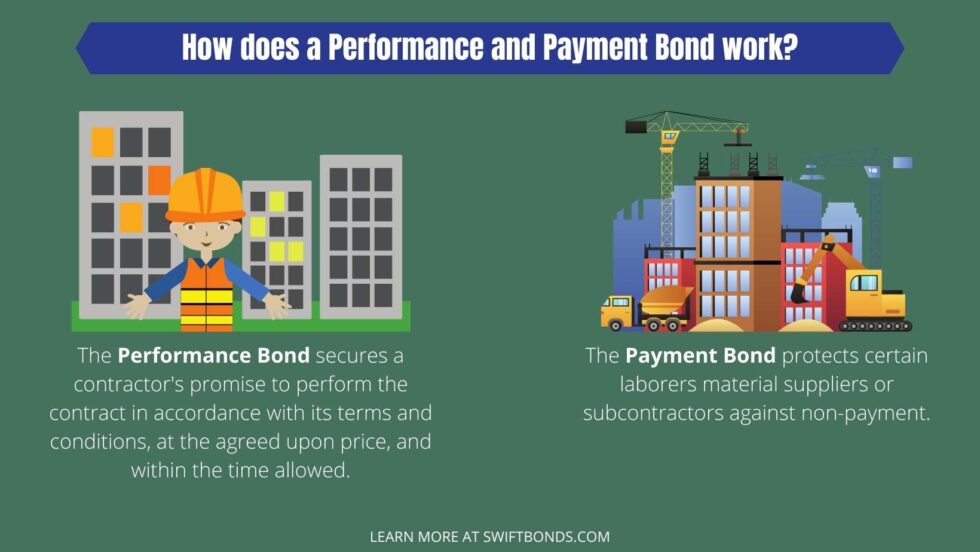
Each type serves its unique purpose but works harmoniously to protect various stakeholders involved in construction projects.
The Importance of Performance Bonds in Construction Projects
Mitigating Risks for Project Owners
One primary reason for utilizing performance bonds is risk mitigation. By having a performance bond in place, project owners can minimize financial exposure should something go awry with their chosen contractor. It’s about peace of mind—knowing that there's added security against potential breaches of contract.
Ensuring Quality Workmanship
Performance bonds not only provide financial security but also incentivize contractors to maintain high standards throughout their work. When there’s something on the line—a bond that could be forfeited—contractors are more likely to adhere strictly to quality standards and timelines.
Facilitating Better Contractor Selection
SwiftbondsFor many project owners, vetting contractors can be painstakingly exhaustive. However, requiring performance bonds can streamline this process considerably. Contractors who can secure bonds typically possess better reputations and financial standings.
How Performance Bonds Benefit Contractors
Building Trust with Clients
Contractors who utilize performance bonds often find it easier to establish trust with potential clients. A performance bond signals professionalism and reliability; it shows clients that the contractor is confident enough in their abilities to secure such financial backing.
Enhancing Competitive Edge
In competitive bidding environments, having a performance bond can give contractors an edge over those who do not offer similar assurances. It demonstrates commitment not just to completing jobs but doing them well.
Financial Protection Against Unforeseen Issues
In addition to securing contracts through bonding, contractors may find themselves protected against unforeseen circumstances that could jeopardize completion timelines or budgets—in effect providing another layer of security beyond mere reputational stakes.
The Legal Framework Surrounding Performance Bonds
Bonding Requirements by State or Local Law
Performance bond requirements vary widely depending on state laws and local regulations governing construction projects. Understanding these legal frameworks is crucial for both contractors and project owners alike.
Example Table: States with Mandatory Bonding Requirements
| State | Type of Project | Bond Requirement | |------------|------------------|------------------| | California | Public Projects | Yes | | Texas | Contracts Over $25K | Yes | | Florida | Public Works | Yes |
These regulations help ensure uniformity in protecting all parties involved while facilitating smoother execution across various jurisdictions.
Enforcement Actions Related to Defaulting Contractors
If a contractor defaults on their contractual obligations leading up to completion yet does not fulfill terms outlined by their respective bonding agreements—what then? Sureties have distinct Get more information rights regarding enforcement actions against defaulting contractors which may involve legal recourse or liquidation processes designed specifically for such situations.
Common Misconceptions About Performance Bonds
Performance Bonds Are Only for Large Projects?
An often-held belief is that only large-scale projects require performance bonds; however, this simply isn’t true! Even small renovations can benefit from having one in place due diligence wise!
All Contractors Can Obtain Performance Bonds Easily
While it might seem like anyone could walk into a surety office and obtain one without issue—certain qualifications must be met first including creditworthiness assessments among others before issuance takes place!
Frequently Asked Questions (FAQs)
What happens if my contractor defaults on the job?- If your contractor defaults and has secured a performance bond, you can file a claim against it for compensation or seek another contractor through the surety company’s assistance.
- The cost varies based on factors such as project size and complexity; however, many consider it an investment worth making given its protective benefits.
- Absolutely! Many general contractors choose to require subcontractors hold similar forms of bonding as an added layer of protection.
- Coverage limits depend largely upon individual circumstances including project scope along with specific underwriting criteria set forth by issuing companies.
- While certain conditions may be negotiable based upon your needs/preferences—other aspects remain standard industry practice thus limiting flexibility somewhat.
- The process typically ranges anywhere from days up until weeks depending upon factors like documentation readiness & background checks required during evaluation stages.
Conclusion
In summary, understanding The Importance of Performance Bonds in Construction Projects cannot be overstated—it’s about safeguarding investments while encouraging responsible business practices within an industry often rife with unpredictability! Whether you’re embarking upon your first build or managing multiple large-scale developments simultaneously: securing proper bonding arrangements ultimately translates into greater peace-of-mind—and ultimately success!
So next time you consider hiring out work—or getting hired yourself!—think about how incorporating these instruments could elevate your approach toward achieving excellence throughout every phase—from planning down through execution—all while keeping those pesky risks at bay!